
01 / 07 · Capital & hub
Lisbon
38.7223° N · 9.1393° W
Portugal’s Atlantic capital, and the starting point for every Privora route. Tile-clad facades on seven hills above the Tagus — covered by private city tours, airport transfers and cruise-port pickups.
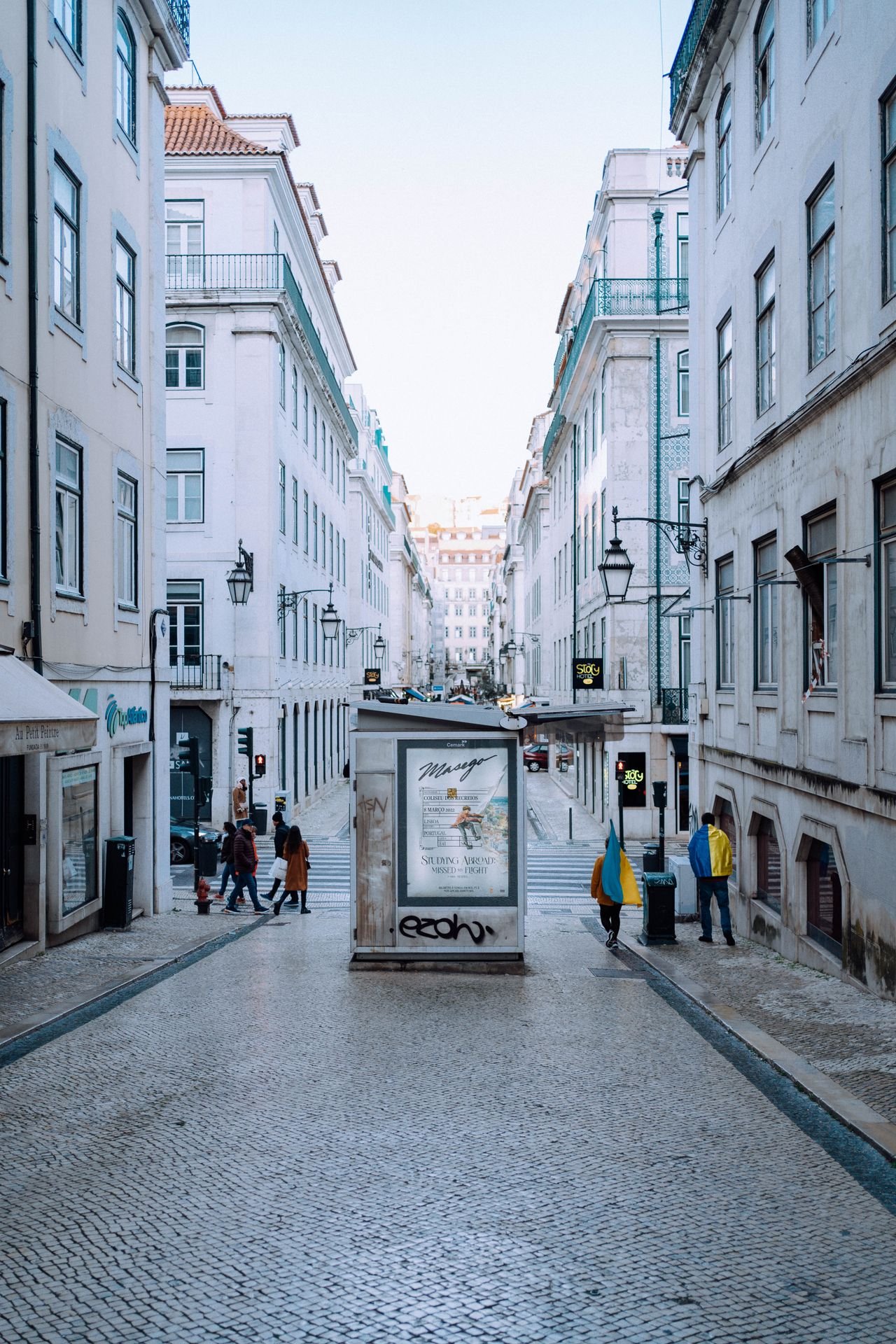
The neighbourhoods
Lisbon, district by district
Six quarters, each at a different height above the Tagus and each with its own century. A private day tour can cover two or three of them properly, or all six if you want the overview.
-
01 ≈ 45 m above the river
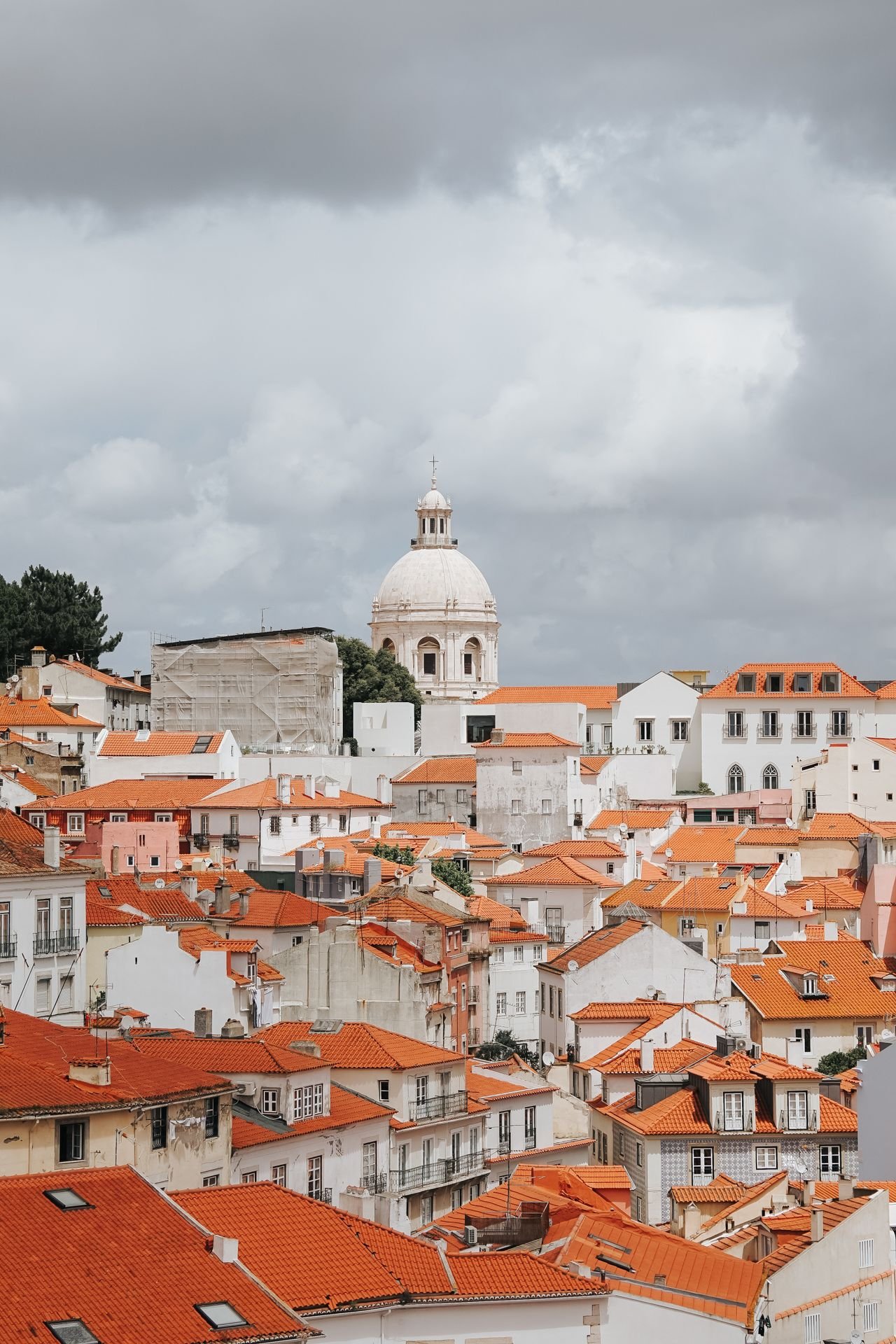
Alfama
The oldest quarter in the city, and the one the 1755 earthquake left largely intact. A Moorish tangle of stepped lanes below the castle, where laundry hangs between the balconies and fado comes out of doorways after dark.
- Fado
- Viewpoints
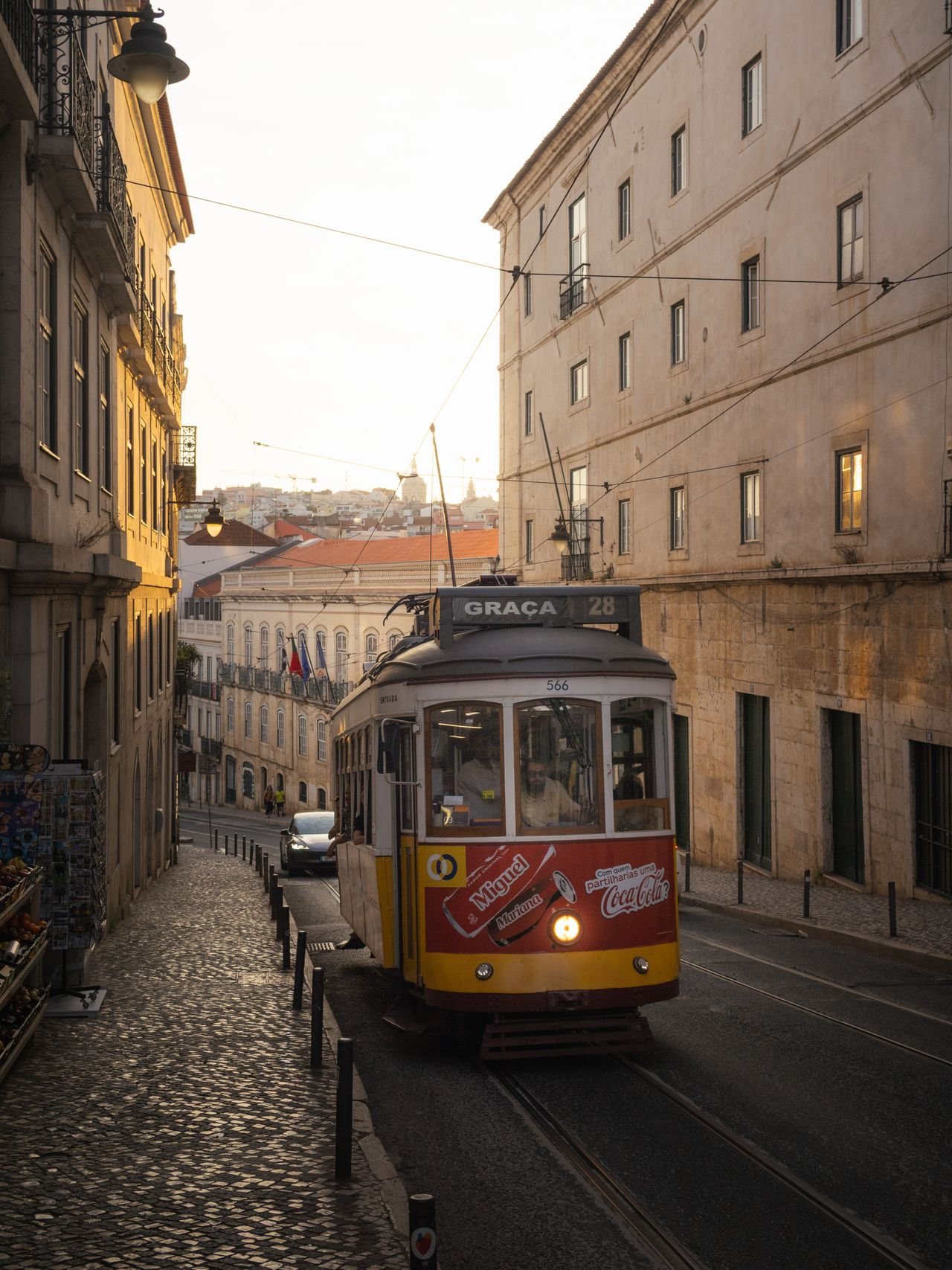
- Tram 28
-
02 ≈ 15 m above the river
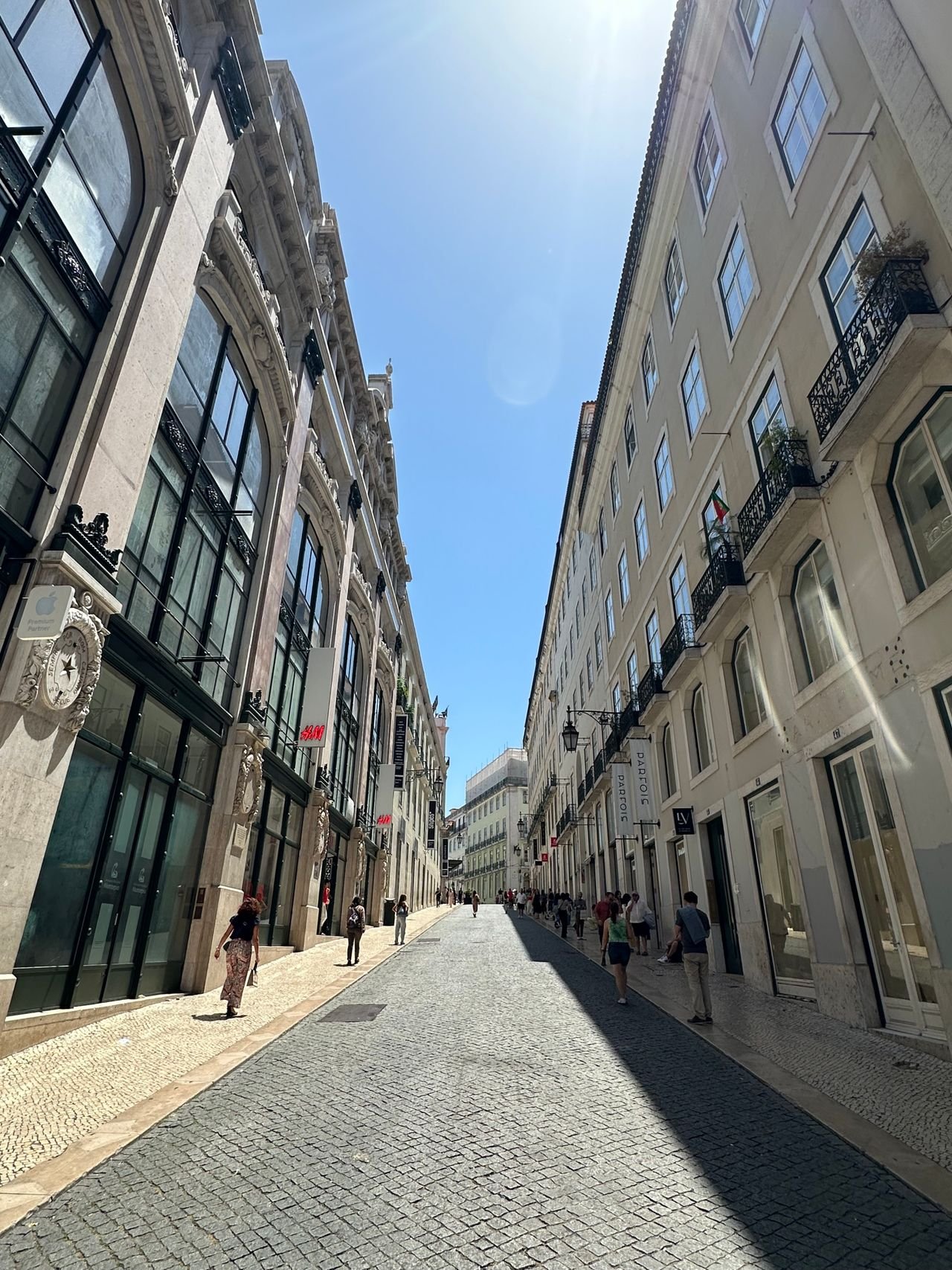
Baixa & Chiado
The elegant, rebuilt heart of the city — a grid of arcaded streets laid out by the Marquês de Pombal after the earthquake, and the adjoining hillside of Chiado, which has been the city’s literary quarter since the nineteenth century.
- Pombaline
- Cafés
- Shopping
-
03 ≈ 105 m above the river
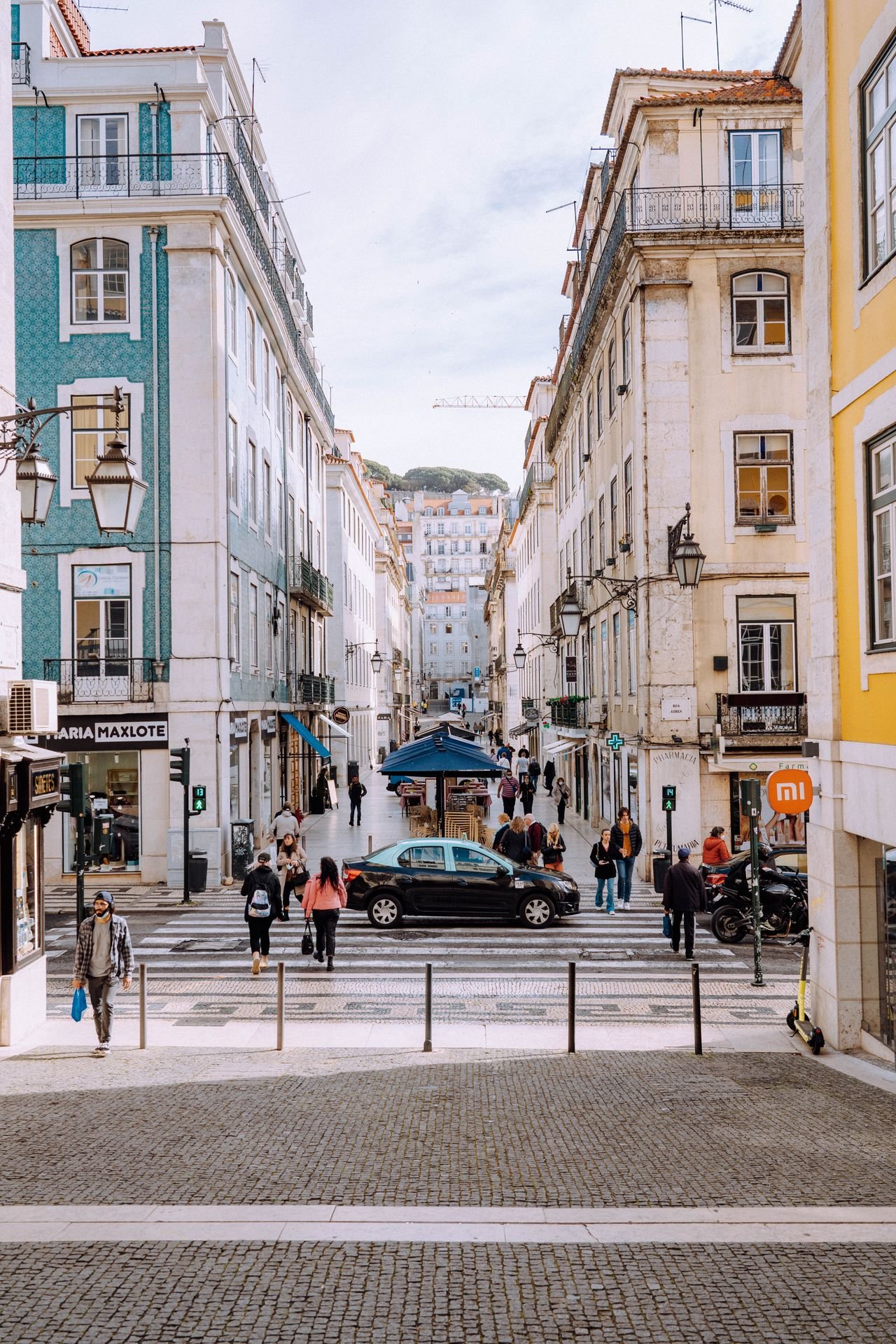
Graça
The highest residential quarter in the old city, and one of the most genuinely local. Two of the finest viewpoints in Lisbon sit here — Senhora do Monte and Graça itself — looking out over the castle, the river and the far bank.
- Viewpoints
- Local life
-
04 ≈ 70 m above the river
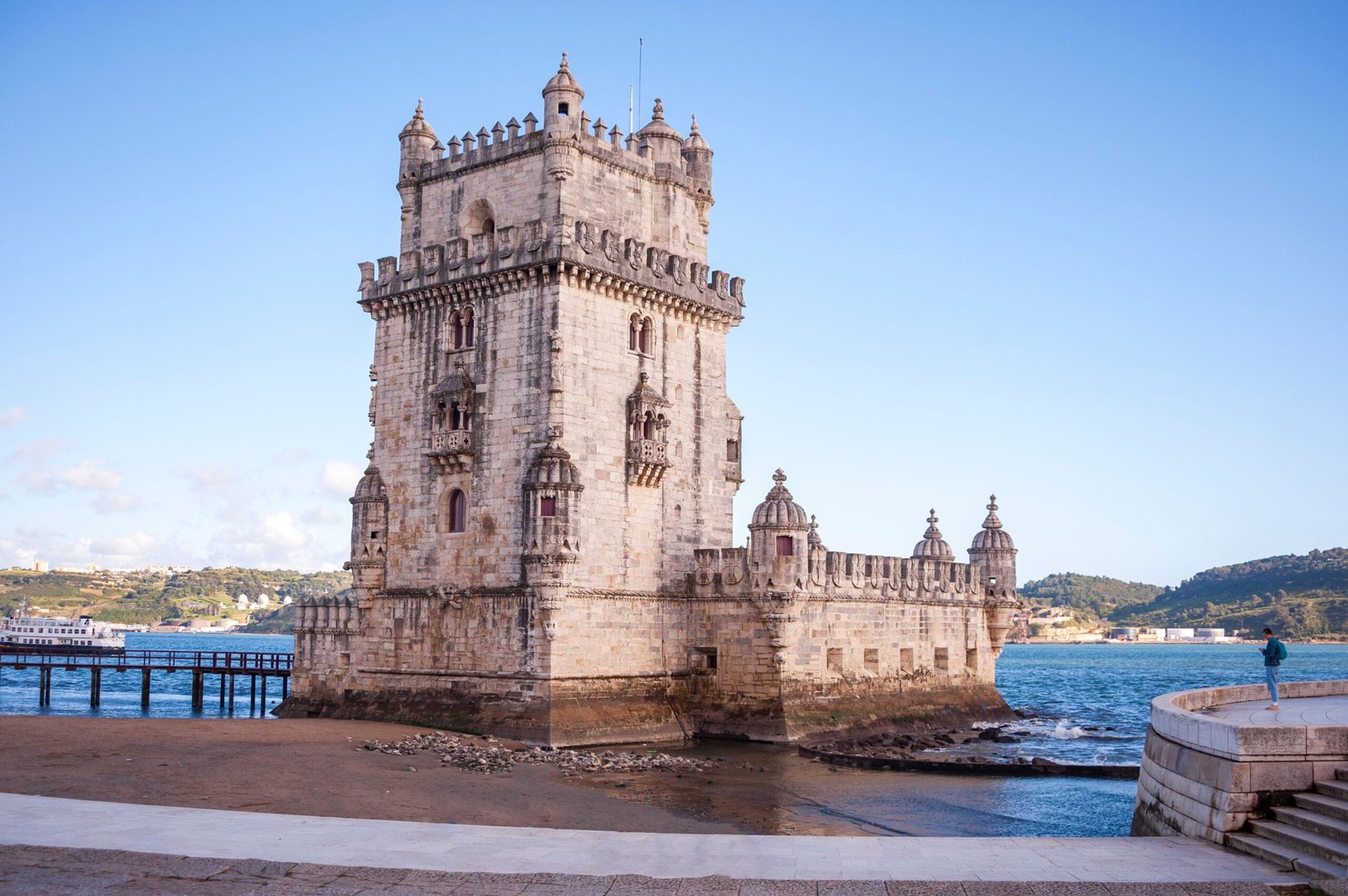
Bairro Alto
Laid out in the sixteenth century on a strict grid, then rebuilt after 1755 and never widened since. Quiet bookshops and tiled facades by day; one of the loudest nightlife quarters in Europe after eleven.
- Nightlife
- Grid streets
-
05 ≈ 6 m above the river
Belém
The riverside quarter where Portugal’s Age of Discovery actually began. The Jerónimos Monastery, the Belém Tower and the Monument to the Discoveries all sit along a single kilometre of waterfront.
- Monuments
- Pastéis de Belém
- UNESCO
-
06 ≈ 90 m above the river
Príncipe Real
The quietest of the six, and in some ways the most elegant. A small garden at its centre, nineteenth-century mansions around it, and independent shops and studios filling the ground floors of the streets that slope down towards the river.
- Boutiques
- Garden
- Quiet
Want to walk all six in a day, or spend a whole afternoon in just one? The Lisbon private tour is shaped around whichever you prefer.
See the Lisbon tour →What to see
Monuments & landmarks of Lisbon
Six of the monuments that define the city — the Manueline monasteries at Belém, the Moorish castle on the highest hill, and the trams that still run the old city.
All six sit within about eight kilometres of one another. A single full day can cover Belém in the morning and the castle, cathedral and old city in the afternoon, with lunch in between.
-
01 Belém · UNESCO 1983
Jerónimos Monastery
The great Manueline monastery begun in 1502 to mark Vasco da Gama’s return from India, and funded for two centuries by the spice trade. The south portal and the two-storey cloister are the masterpiece — carved limestone that reads like lace. Vasco da Gama and the poet Luís de Camões are both buried in the church.
What to see The south portal, the two-storey cloister, the tombs of Vasco da Gama and Luís de Camões.
-
02 Belém · UNESCO 1983
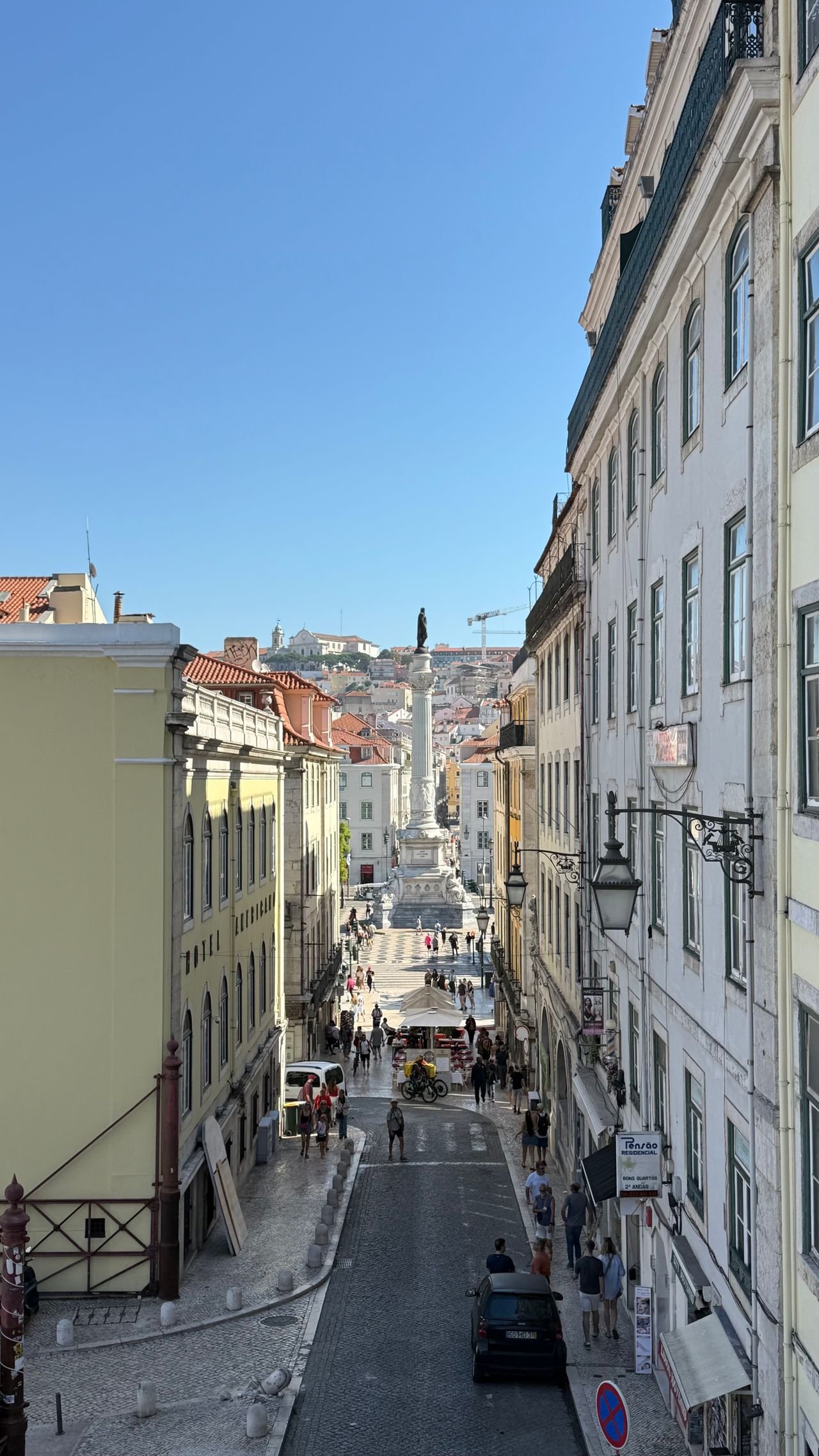
Belém Tower
Built between 1514 and 1519 as a fortified gateway to Lisbon’s harbour, and now the most photographed monument in Portugal. It stands on its own small island in the Tagus, reached by a wooden footbridge from the shore. Closed on Mondays.
What to see The carved rope moulding around the exterior, the ribbed vaulting inside, the river view from the top terrace.
-
03 Alcântara · Opened 1966
25 de Abril Bridge
A suspension bridge across the Tagus, opened in 1966 and renamed after the 1974 revolution that ended the Estado Novo. At 2,277 metres long with a main span of 1,013 metres, it was the longest suspension bridge in Europe when it opened. Cars use the upper deck; trains run on the lower one.
What to see The bridge from the Alcântara docks, the view from the Cristo Rei on the far bank, the drive across the upper deck.
-
04 Alfama · Hilltop
São Jorge Castle
A Moorish castle on the highest hill in the old city, taken by Afonso Henriques in 1147 and used as a royal residence until 1511. The walls and eleven towers survive; the buildings inside are mostly archaeological remains, with peacocks now the noisiest residents.
What to see The ramparts and the eleven towers, the peacock garden in the old royal palace, the terrace looking out over the whole city.
-
05 Alfama · Built 1147
Lisbon Cathedral — the Sé
The oldest church in the city, built on the site of the main mosque the year Afonso Henriques took Lisbon. Romanesque in origin, with a Gothic ambulatory added later, and partly rebuilt after the 1755 earthquake. The west front was remodelled in the baroque style.
What to see The Romanesque rose window, the Gothic cloister with its archaeological dig, the treasury on the upper floor.
-
06 Routes 12 / 15 / 28 · Daily
The Trams
Lisbon’s trams are a working part of the city’s transit network and a landmark in their own right. The yellow Remodelado cars date from the 1930s and 1940s and still run a handful of routes — most famously Tram 28, which climbs from Martim Moniz through Graça, Alfama and Baixa and on to Estrela.
What to see Tram 28 through the old city, the Elevador de Santa Justa (a 1902 iron lift with a neo-Gothic tower), the Remodelado cars themselves.
Every one of these is on the Lisbon private tour route, in whichever order and at whatever pace your group prefers.
See the Lisbon tour →Ready to see Lisbon your way?
Private city tours and transfers from any hotel in the city — English-speaking driver, fixed price, whole car to yourselves.